How a Rest Research Can Transform Your Rest Patterns: Insights and Services Available
A rest research study works as a vital tool for individuals looking for to understand and enhance their rest patterns. It supplies a detailed analysis of sleep actions and potential conditions. By evaluating various metrics, healthcare experts can recognize underlying issues that interrupt corrective remainder. This process not only help in diagnosis however additionally sets the stage for customized therapy plans. What insights might a rest study reveal regarding your very own sleep routines?
Recognizing Sleep Studies: What to Anticipate
When people prepare for a sleep study, they often wonder what the experience will involve. These studies, generally performed in a sleep center, aim to check different physical specifications throughout sleep. Upon arrival, individuals are greeted by trained technicians who lead them through the process. The atmosphere is developed to be comfortable, permitting an all-natural rest experience. Individuals might be asked to complete surveys concerning their sleep behaviors and case history, which aids in the examination.
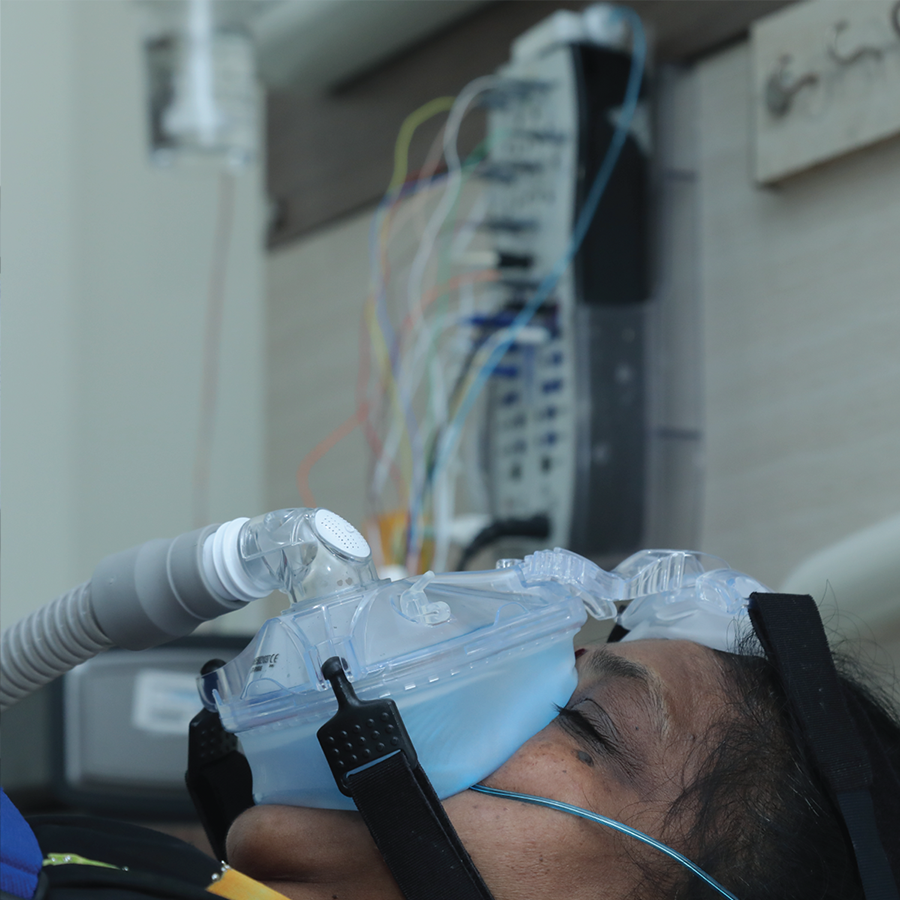
As the evening progresses, sensing units are affixed to the body to track brain waves, heart price, and breathing patterns. While the configuration may feel unusual, the objective is to collect exact information on the individual's sleep patterns. The whole treatment is non-invasive and presents no danger to the individual. Eventually, the data accumulated throughout the rest study is necessary for identifying potential rest conditions and establishing effective therapy strategies.
Common Rest Disorders Determined Through Rest Researches
Rest studies play a crucial function in identifying numerous sleep problems that can greatly influence an individual's wellness and wellness. Common conditions found through these researches include obstructive rest apnea, defined by duplicated disruptions in breathing during rest, causing fragmented sleep patterns. An additional prevalent problem is sleeping disorders, which entails problem dropping or staying asleep, typically causing daytime tiredness and damaged functioning. Uneasy legs disorder (RLS) is likewise regularly observed, triggering awkward feelings in the legs and an irrepressible urge to relocate them during the night. Narcolepsy, a neurological disorder that influences sleep-wake cycles, is one more major problem recognized in sleep research studies, leading to extreme daytime drowsiness and abrupt sleep assaults. Lastly, parasomnias, which incorporate abnormal habits throughout sleep, such as sleepwalking or night fears, are likewise noted. Early recognition of these disorders can help with prompt intervention and enhance overall rest high quality.
The Refine of a Rest Study: From Preparation to Outcomes
The process of a sleep research may seem challenging, it is a structured and methodical technique designed to gather essential info concerning an individual's rest patterns. Originally, a doctor carries out a detailed evaluation, discussing rest background and signs with the individual. This assessment aids figure out the details emphasis of the research.
Prep work typically entails standards on rest hygiene and drug changes before the research study. Patients might be instructed to avoid caffeine and alcohol to assure accurate outcomes. On the night of the study, sensors and electrodes are positioned to monitor brain activity, heart price, breathing, and movements throughout rest.
The data accumulated is carefully examined by sleep professionals, who recognize any type of problems or patterns indicative of sleep problems. Following this analysis, a follow-up appointment is organized to review the findings and possible treatment choices tailored to the person's requirements, facilitating enhanced rest quality.

Types of Rest Studies: In-Lab vs. Home Rest Examinations
Two key kinds of rest research studies exist: in-lab studies and home rest tests, each dealing with different demands and situations. In-lab studies commonly take place in a rest clinic where individuals are monitored over night by healthcare experts. This method permits comprehensive information collection on different rest parameters, such as brain task, oxygen levels, and heart rate. People are frequently attached to multiple sensing units, giving comprehensive understandings into their sleep problems, including rest apnea and narcolepsy.
Conversely, home rest examinations provide an easier choice for people that choose to perform assessments in their own atmosphere. These portable gadgets keep an eye on essential metrics like air movement, oxygen saturation, and snoring. While home tests are less detailed than in-lab studies, they act as a functional remedy for detecting common sleep disorders. Eventually, the selection in between these 2 sorts of sleep studies depends upon specific choices, medical needs, and the seriousness of sleep-related problems.
Translating Your Rest Research Study Outcomes: Secret Metrics Explained
Comprehending the outcomes of a rest research study is important for individuals seeking insights right into their rest health and wellness. Trick metrics generally evaluated in rest research studies include the Apnea-Hypopnea Index (AHI), which determines the variety of apneas and hypopneas per hour of sleep. AHI values help identify the seriousness of sleep apnea, with greater scores suggesting much more significant issues. Another important metric is the complete rest time (TST), which shows the general duration of rest throughout the research study. Sleep efficiency, the proportion of time invested asleep to time invested in bed, is likewise important; higher percents show better sleep top quality. Additionally, the percentage of rest invested in different stages-- light, deep, and REM-- provides understandings right into sleep architecture. Recognizing these metrics furnishes individuals with the understanding needed to discuss their rest patterns with health care companies, leading the way for notified decisions regarding their rest health and wellness.
Therapy Options and Suggestions Based on Your Rest Study
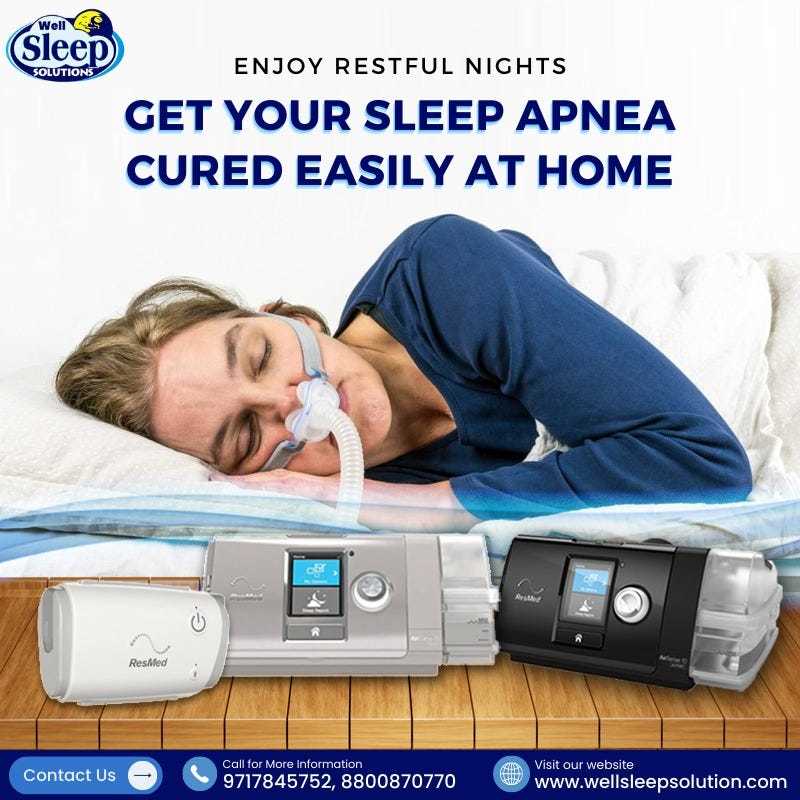
When a sleep research study discloses concerns such as rest apnea or other sleep problems, different therapy choices and recommendations appear to enhance general rest health. For obstructive rest apnea, constant positive respiratory tract stress (CPAP) therapy is generally recommended, giving a stable stream of air to maintain airways open throughout sleep. Dental appliances may be advised for mild to moderate situations, rearranging the jaw to prevent air passage blockage.
In cases of insomnia, cognitive behavior modification for insomnia (CBT-I) is typically recommended, concentrating on behavioral modifications and assumed patterns that interrupt rest. In addition, lifestyle alterations such as weight-loss, routine workout, and staying clear of alcohol or high levels of caffeine prior to going to bed might boost rest top quality.
,aspect=fit)
Building Healthy Sleep Behaviors: Tips for Better Relax
Structure healthy and balanced rest habits is important for achieving restorative remainder. Establishing a regular rest regimen, limiting display time prior to bed, and developing a comfortable sleep atmosphere check my reference can greatly enhance sleep high quality. These approaches act as foundational steps for individuals seeking much better sleep results.
Establish a Sleep Regimen
Developing a consistent rest regimen is crucial for promoting healthy sleep practices and improving general wellness. Sleep Study Bangalore. A routine sleep you could check here schedule, where individuals go to bed and wake up at the same time each day, reinforces the body's natural body clocks. This predictability aids manage the sleep-wake cycle, leading to boosted rest high quality. Creating a calming pre-sleep routine, such as analysis or exercising leisure methods, can indicate the body that it is time to unwind. Furthermore, optimizing the sleep environment-- by maintaining a comfortable temperature, reducing sound, and ensuring darkness-- can further support relaxed rest. By prioritizing these practices, people can grow a sustainable rest regimen that promotes restorative rest and adds to better psychological and physical wellness
Limitation Screen Time
As individuals increasingly depend on displays for enjoyment and communication, limiting screen time prior to bed has come to be essential for advertising better rest. Research study indicates that direct exposure to blue light produced by tools such as tablets, smart devices, and computer systems can interfere with the production of melatonin, the hormonal agent in charge of managing sleep. Specialists suggest transforming off screens at least one hour prior to going to bed to enhance sleep top quality. Participating in alternate tasks, such as reviewing a book or practicing relaxation methods, can aid individuals prepare and unwind for sleep. By knowingly lowering screen time, individuals can cultivate much healthier rest patterns, leading to enhanced general health and increased daytime awareness. Prioritizing this element of rest health is essential for long-lasting health and wellness.
Develop a Rest Refuge
Creating a sleep haven can substantially enhance an individual's ability to achieve restful sleep. This environment should prioritize comfort and harmony, incorporating aspects that advertise leisure. An appropriate bed mattress and cushions are vital, as they directly influence rest high quality. In addition, the area ought to be dark, peaceful, and cool; making use of blackout curtains and white sound equipments can promote this environment. Customizing the area with calming shades and aromas, such as lavender, can additionally enhance leisure. Decreasing mess likewise contributes to a serene setting, permitting mental clarity - Sleep Study Bangalore. By attentively creating a sleep haven, people can promote healthier rest routines and produce a consistent regimen, ultimately leading to boosted general wellness and corrective rest
Frequently Asked Inquiries
For how long Does It Require To See Improvements After a Sleep Research?
Improvements after a sleep research can vary, but lots of individuals begin to discover favorable modifications within a few weeks. Constant follow-up and adherence to recommended therapies play vital roles in attaining optimal outcomes.
Can Kid Undergo Sleep Studies, and Just How Are They Different?
Yes, youngsters can go through sleep studies, which vary from adult studies in checking strategies and devices. Pediatric assessments often entail child-friendly atmospheres and may include moms and dad involvement to assure convenience and accurate outcomes.
Are Sleep Researches Covered by Insurance Policy, and What Are the Costs?
Rest research studies can be covered by insurance, relying on the policy and clinical requirement. Costs differ widely, varying from $300 to $3,000, influenced by the kind of study and area of the facility.
What Lifestyle Modifications Can Enhance the Performance of Sleep Research Results?

Carrying out consistent rest schedules, minimizing caffeine consumption, creating a soothing going to bed routine, and keeping a comfortable sleep her response setting can substantially improve the performance of rest research study results, advertising better rest quality and general wellness.
How Usually Should I Repeat a Sleep Research Study for Ongoing Issues?
People experiencing ongoing rest issues need to think about duplicating a rest research study every one to 2 years, or as suggested by healthcare experts, to monitor modifications and change therapy strategies effectively based on their progressing rest patterns. (Sleep Study Bangalore)
Rest researches play a vital function in recognizing various sleep conditions that can substantially influence an individual's health and well-being. Typical conditions found via these researches consist of obstructive rest apnea, defined by repeated interruptions in breathing throughout rest, leading to fragmented rest patterns. When a rest research exposes concerns such as rest apnea or various other sleep conditions, various treatment options and recommendations become available to improve total sleep health and wellness. Developing a regular rest routine, restricting screen time before bed, and creating a comfy rest atmosphere can greatly enhance rest quality. In addition, maximizing the sleep environment-- by maintaining a comfy temperature level, decreasing noise, and making sure darkness-- can better sustain peaceful sleep.